.png?width=1500&height=250&name=BAIL%20HOUSE%202024%20dark%20background%20(1).png)
.png?width=780&height=130&name=BAIL%20HOUSE%202024%20(2).png)
9 min read
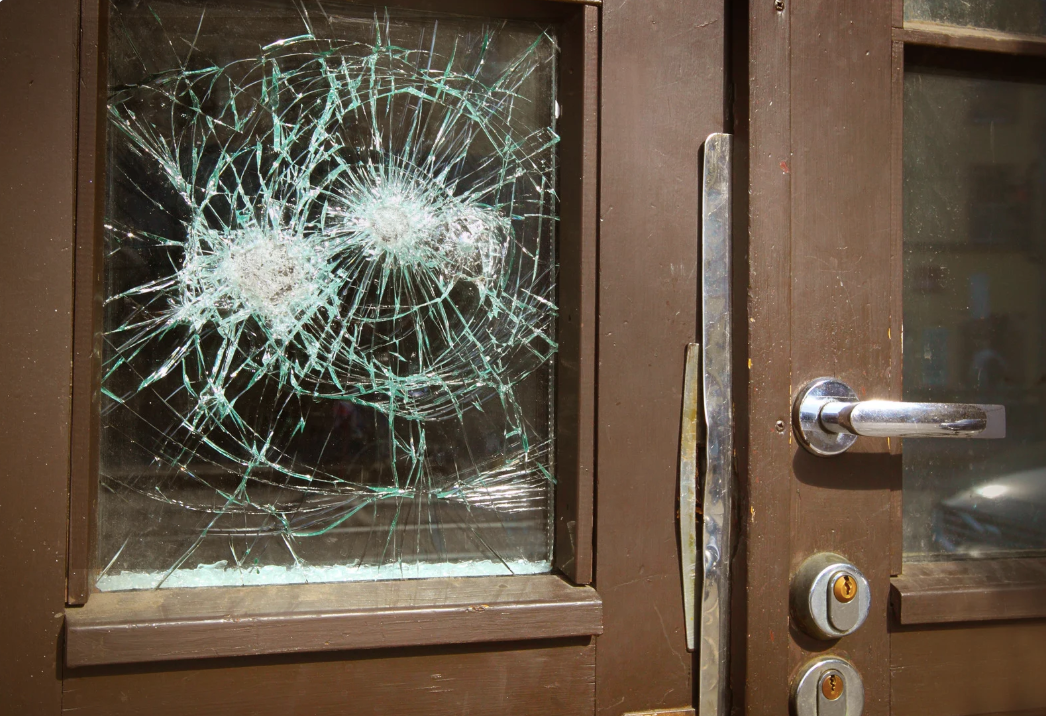
A vandalism case can look simple on the surface, but under California law it can become serious very quickly. Under California Penal Code 594, vandalism means maliciously defacing, damaging, or destroying property that is not your own. The statute specifically covers graffiti or other inscribed material, damage, and outright destruction. It also sets a key dollar threshold: when the amount of defacement, damage, or destruction is $400 or more, the offense can be punished more severely; when it is less than $400, it is punished at the lower level set out in the statute.
In real life, vandalism cases are often more complicated than people expect. Some involve graffiti, broken windows, keyed vehicles, or damaged fences. Others happen during highly emotional personal disputes. In Roseville California, a vandalism allegation may arise from a neighborhood dispute, a drunken incident, retaliation after an argument, or a domestic conflict. That is why vandalism sometimes overlaps with allegations involving domestic violence or domestic abuse, especially when one person destroys a partner’s or family member’s phone, car, door, furniture, or other personal property during an argument.
If someone is facing an arrest for vandalism, the immediate concerns are usually practical: Is this a misdemeanor or felony? What will the bail amount be? Can the person get out through a bail bond? Where do you find bail bonds near me? In those first hours, a knowledgeable bail bondsman or bail agent can make a major difference. That is where Bail House Bail Bonds comes in.
What PC 594 Actually Covers
California’s vandalism statute is broader than many people think. It does not only apply to spray paint or classic graffiti cases. The statute says a person is guilty of vandalism if they maliciously do any of the following to real or personal property not their own: deface it with graffiti or other inscribed material, damage it, or destroy it.
That means vandalism can cover a wide range of conduct, including:
- Spray painting or etching a wall, sign, or vehicle
- Breaking windows
- Keying a car
- Punching holes in doors or walls
- Damaging appliances or electronics
- Destroying someone else’s personal belongings
- Damaging public or government property
The broad wording of the law is important because people often assume vandalism only means graffiti. It does not. If the conduct involves malicious property damage to property that is not yours, PC 594 may apply.
The Importance of “Maliciously”
One of the most important legal words in a vandalism case is maliciously. The statute requires that the person act maliciously. In practical terms, that means the damage cannot simply be accidental. Knocking something over by mistake is not the same as intentionally smashing it. A car scrape caused by ordinary carelessness is not the same as purposely keying someone’s paint.
The prosecution has to show the conduct was deliberate or done with wrongful intent toward the property. That malice element is often where a real defense begins. This is especially important in emotionally charged cases. A person might admit property ended up damaged, but still dispute whether it was intentional.
The $400 Line: Why It Matters So Much
The biggest charging line in PC 594 is the amount of the damage.
If the amount of defacement, damage, or destruction is $400 or more, vandalism is punishable more severely and can expose the defendant to significantly greater consequences. If the damage is less than $400, the offense is punished at the lower level in the statute.
The law also allows especially high fines when the damage amount becomes substantial. When the damage reaches $10,000 or more, the possible financial consequences increase dramatically. That is why repair estimates, photographs, and proof of actual property value can become extremely important in these cases.
Misdemeanor vs. Felony Vandalism
This is one of the most important parts of the topic. A vandalism case does not always stay minor.
Misdemeanor Vandalism
At the lower level, when the damage is under $400, a vandalism case is generally treated as a misdemeanor. That does not mean it is harmless. A misdemeanor vandalism conviction can still bring probation terms, restitution, community service, cleanup orders, counseling, and a criminal record.
Felony-Level Exposure
When the damage is $400 or more, the stakes rise substantially. This is where vandalism can become much more serious and expose a defendant to felony-level consequences depending on how the case is charged and prosecuted.
That means something as simple as smashing multiple windows, causing major vehicle damage, or damaging high-value property can quickly move the case into much more serious territory.
Vandalism in Domestic Violence and Domestic Abuse Situations
Not every vandalism case is a random act against public property. A significant number of cases happen in personal relationships. During a breakup, argument, or household conflict, one person may destroy or damage the other person’s belongings. That can include a phone, laptop, television, windshield, furniture, clothing, a front door, or a shared household item.
In some situations, the alleged property damage becomes part of a broader domestic violence or domestic abuse narrative. That matters because a vandalism case tied to a relationship dispute may bring more than one legal problem at once:
- A criminal vandalism case
- A domestic violence-related arrest history
- Restraining-order issues
- No-contact orders
- Housing consequences
- Family-law fallout
So while PC 594 itself is the vandalism statute, the surrounding facts can make the case feel much larger.
What Happens After an Arrest in Roseville California?
When someone is arrested for vandalism in Roseville California, the immediate process usually starts with booking. Law enforcement records the arrest, documents the allegation, takes fingerprints and photographs, and holds the person until release conditions are addressed.
At that point, the bail amount becomes a central issue. The exact bail can vary based on the alleged amount of damage, whether the case is being treated at the lower misdemeanor level or with more serious felony exposure, whether there are prior convictions, and whether related issues like domestic violence allegations are part of the case.
In practice, people often do not know right away how the case will ultimately be filed, but they do know they need a path out of custody. That is why families search bail bonds near me immediately after an arrest.
How a Bail Bond Helps in a Vandalism Case
A bail bond can help someone secure release without having to post the full bail amount in cash. A bail bondsman or bail agent helps post the bond so the defendant can return home, go back to work, protect family responsibilities, and start working on the case from outside jail.
A vandalism case may sound less serious than a violent felony, but it can still turn a person’s life upside down fast. The person may be dealing with embarrassment, anger from the alleged victim, restitution demands, property-repair estimates, court dates, and in some cases relationship fallout or protective orders. Getting released matters.
Working with a bail agent or bail bondsman gives the family a way to move quickly and create some stability while the legal process unfolds.
Restitution, Cleanup, Community Service, and Counseling
One of the reasons vandalism cases can feel surprisingly burdensome is that the punishment is not just jail or fines. In graffiti-related cases, the court may order cleanup, repair, or replacement. If graffiti cleanup is not appropriate, the court may order other forms of community service. Counseling can also become part of the sentence in some cases.
That means a vandalism case may involve:
- Restitution
- Direct repair obligations
- Community service
- Counseling
- Probation conditions
- Ongoing court supervision
For defendants and families, that practical burden can last far longer than the arrest itself.
Financial Consequences Can Be Larger Than People Expect
Many people focus only on the criminal charge and forget about the money. But vandalism cases often become expensive. The defendant may face:
- Fines
- Restitution
- Increased repair costs
- Insurance issues
- Lost work
- Attorney fees
- Possible related civil liability
And if the conduct is tied to a domestic abuse or domestic violence allegation, there may be further financial fallout tied to housing, temporary relocation, or court-ordered restrictions.
Why Acting Quickly Matters
After an arrest, time matters. The sooner the defendant is out, the sooner they can protect their position. Evidence in these cases can disappear quickly:
- Damaged items get repaired
- Videos are deleted
- Texts get lost
- Witnesses change their stories
- Emotions harden
That is why quick release through a bail bond can be so important. It is not just about comfort. It is about being able to respond effectively.
Common Defense Themes in Vandalism Cases
Not every vandalism accusation results in a conviction. Some of the most common defense themes are:
Lack of Intent
The property was damaged, but not maliciously. The conduct was accidental or happened in a way that does not satisfy the required mental state.
Ownership or Permission
The property may not have been solely someone else’s, or the defendant may have had a legitimate right to use or alter it.
Damage Amount Disputes
The alleged victim may inflate the repair estimate. That matters a lot because the $400 threshold can change the seriousness of the case.
Identity Issues
In graffiti or public-property cases especially, the government still has to prove who actually caused the damage.
Insufficient Evidence
Poor photos, unclear video, weak witness accounts, or shaky repair estimates can all matter.
In domestic-related vandalism cases, facts are often disputed, emotions are high, and both sides may tell dramatically different versions of what happened.
What Makes Bail House Bail Bonds Stand Out Compared to Other Agencies?
When someone is dealing with a vandalism arrest in Roseville California, they are usually not looking for a lecture. They need speed, clarity, and someone who knows what to do next. That is why Bail House Bail Bonds stands out.
A strong agency stands out by:
- Responding quickly
- Explaining the bail amount clearly
- Helping families understand the bail bond process
- Treating clients respectfully
- Being dependable when the situation feels chaotic
When people search bail bonds near me, they want a local, responsive bail bondsman or bail agent who can help them move forward without confusion. That is exactly where Bail House Bail Bonds can make the difference.
Frequently Asked Questions
1. What is vandalism under PC 594?
Under PC 594, vandalism means maliciously defacing with graffiti or other inscribed material, damaging, or destroying real or personal property that is not your own.
2. Is vandalism a misdemeanor or felony?
It can be treated at either level of seriousness depending largely on the amount of damage. Under $400 is punished at the lower level in the statute, while $400 or more brings more serious punishment exposure.
3. What happens if the damage is over $10,000?
When the damage amount becomes very large, the possible financial consequences become much more severe, including substantially higher fines.
4. Can vandalism be related to domestic violence?
Yes. Property destruction can arise in domestic violence or domestic abuse situations, especially during arguments or personal disputes.
5. What does a bail bondsman do in a vandalism case?
A bail bondsman or bail agent helps post a bail bond so the defendant can be released without paying the full bail amount upfront.
6. Can the court order cleanup or repair?
Yes. In graffiti-related cases, the court may order cleanup, repair, replacement, community service, and in some cases counseling.
7. Why do people search bail bonds near me after a vandalism arrest?
Because they need fast local help after an arrest, especially when trying to understand the bail amount, secure a bail bond, and get a loved one out of custody quickly.
Final Thoughts
A vandalism case under PC 594 can start with a single bad decision and turn into a serious legal problem very fast. Whether the allegation involves graffiti, property destruction, a heated argument, or a case tied to domestic abuse or domestic violence, the outcome can affect criminal exposure, finances, employment, housing, and family life.
California law makes the damage amount matter, and the line between lower-level misdemeanor exposure and more serious felony consequences can turn on details that people do not always realize in the moment.
If you or a loved one is facing an arrest in Roseville California, the first priority is often getting out and regaining stability. When families need a bail bond, want help understanding the bail amount, and start searching for bail bonds near me, working with an experienced bail bondsman or bail agent at Bail House Bail Bonds can make an overwhelming situation much easier to manage.
Whether you are looking for a bailbond, a bail bond, or immediate help after an arrest, fast and reliable support can make all the difference.