.png?width=1500&height=250&name=BAIL%20HOUSE%202024%20dark%20background%20(1).png)
.png?width=780&height=130&name=BAIL%20HOUSE%202024%20(2).png)
6 min read
Understanding PC 4573: Felony Smuggling and Bail Bonds in California
By: Bail House on Apr 7, 2026 8:00:01 AM
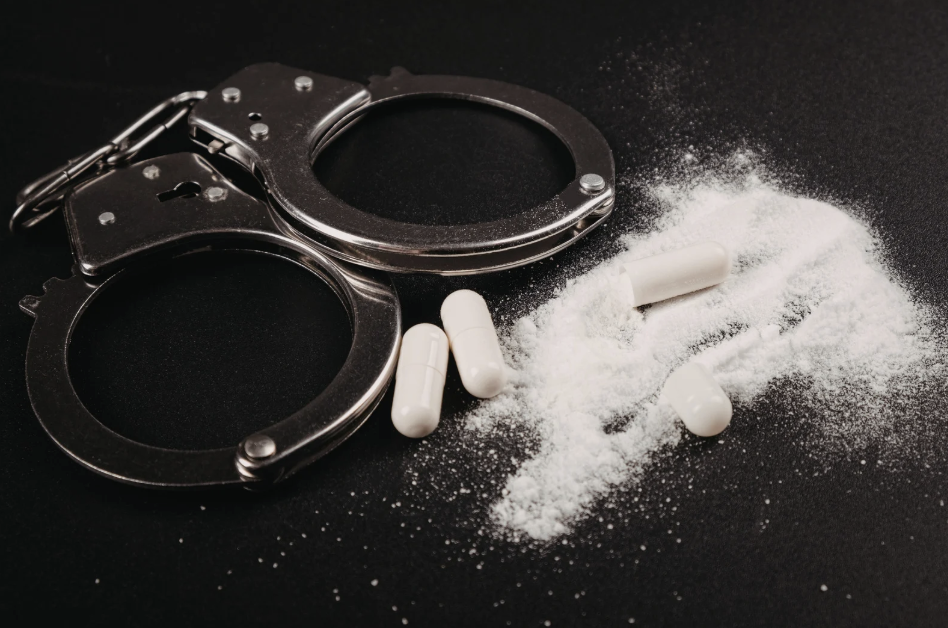
An arrest for violating California Penal Code 4573 is a very serious matter. This law makes it illegal to knowingly bring or send controlled substances or drug paraphernalia into a prison, jail, camp, farm, or other detention facility. In California, this offense is charged as a Felony, and the consequences can be severe. For families in Roseville California, one of the first questions after an arrest is often about the bail amount, how the release process works, and whether a bail bond can help secure release faster.
When people start searching online for bail bonds near me, they are usually facing a stressful and urgent situation. A loved one may be sitting in custody, the charge may sound overwhelming, and nobody is quite sure what happens next. That is when speaking with an experienced bail bondsman or bail agent can make a major difference. Companies like Bail House Bail Bonds help families understand the release process, explain how bail bond services work, and respond quickly when time matters most.
Under California law, Penal Code 4573 prohibits knowingly bringing or sending into a jail, prison, prison camp, prison farm, road camp, or similar detention setting any controlled substance or any paraphernalia intended to be used for unlawfully injecting or consuming a controlled substance. The statute states that this offense is a felony punishable by imprisonment for two, three, or four years.
What is PC 4573?
PC 4573 focuses on smuggling contraband into correctional or detention facilities. The law covers a broad list of locations, including state prisons, prison camps, prison farms, county jails, city jails, and other places where inmates are held in custody. It also applies not only to the act of personally bringing the prohibited item inside, but also to knowingly sending it in or assisting someone else in bringing it into the facility.
What makes this law especially serious is that it applies to both controlled substances and certain drug-related paraphernalia. That means the case may involve actual drugs, or it may involve an item that prosecutors believe was intended to be used for unlawfully injecting or consuming controlled substances. In either situation, the offense can still be treated as a Felony under California law.
For families, this often comes as a shock. They may assume the offense is a misdemeanor because no violence was involved. But under PC 4573, the offense is not treated like a simple jail rule violation. It is a standalone criminal charge that California law classifies as a Felony.
Why this Felony is treated so seriously
California treats smuggling controlled substances into detention facilities very seriously because it creates safety risks for inmates, staff, and the general operation of the facility. Jails and prisons are controlled environments, and introducing drugs or paraphernalia can contribute to overdose risks, violence, debt between inmates, and disruption within the institution.
That is why the statute does not require a completed sale, distribution, or other downstream act. The knowing act of bringing or sending the prohibited material into the facility is enough for the charge. The law also requires that the prohibitions and sanctions be clearly and prominently posted outside detention facilities and at their entrances.
Because of that, a person accused under PC 4573 can face immediate criminal exposure and a very difficult legal situation from the moment of arrest.
Is PC 4573 a misdemeanor or a Felony?
PC 4573 is a Felony, not a misdemeanor. The statute specifically states that a person who violates this section is guilty of a felony punishable under Penal Code section 1170(h) for two, three, or four years.
This distinction matters because many people search both misdemeanor and Felony after an arrest to understand how serious the situation really is. In this case, the answer is clear: California law treats the offense as a Felony offense. That usually means higher stakes, more aggressive prosecution, a potentially higher bail amount, and longer-lasting consequences if there is a conviction.
What happens after an arrest for PC 4573?
After an arrest, the accused person is typically booked into jail, fingerprinted, photographed, and entered into the criminal justice system. From there, release depends on whether bail is set, whether the person can post the full bail amount, and whether a bail bond is used.
In Placer County, bail may be posted in cash, by cashier’s check or similar certified payment, or through a bail bonddelivered by a licensed bail agent. The Placer County Sheriff’s Office states that bail bonds may be submitted for processing at any time at both Auburn Jail and South Placer Jail, though after 7 PM the jail asks people to call ahead before arriving.
That is important for people in Roseville California, because South Placer Jail is located in Roseville. When a loved one is booked there, families often begin searching for bail bonds near me, trying to find a bail bondsman who can help them act quickly and correctly.
How a bail bond works in a serious Felony case
A bail bond helps when the full bail amount is too high for the family to post directly. Instead of paying the entire amount to the jail or court, the defendant or family works with a licensed bail agent or bail bondsman. The agency arranges the bond so the person can be released while the case moves forward through court.
For many families, this is the only realistic path. A Felony case involving smuggling or drugs can lead to a significant bail amount, and very few households are ready to post a large sum in cash without outside help. That is why bail bondsare such a critical service after a sudden arrest.
The Placer County court system also makes clear that felony and misdemeanor bail schedules are available through its criminal and fee schedule resources, which is part of why working with a knowledgeable bail agent can be helpful when trying to understand what release may require.
Why people search for bail bonds near me after a smuggling arrest
A charge like PC 4573 creates immediate panic for most families. The word Felony alone is frightening. Add in allegations involving smuggling and drugs, and loved ones often assume the worst. They may not know whether the person will remain in custody, what the bail amount is, how quickly release can happen, or what documents are needed.
That is exactly why people search for bail bonds near me. They are trying to find someone local, responsive, and professional who can walk them through the process. In Roseville California, that means finding a trusted bail bondsman or bail agent who understands how the local jail handles bond processing and can help the family move forward without unnecessary delay.
Defending against assumptions
One thing that makes these cases especially difficult is that people often jump to conclusions when they hear the charge. But an arrest is not a conviction. The government still has to prove the elements of the offense, including the knowing act of bringing or sending the prohibited substance or paraphernalia into the facility. The exact facts matter. The person’s knowledge, intent, and conduct all matter.
From the bail side, though, the immediate goal is usually simpler: get the person released, stabilize the situation, and give the defendant a better chance to participate in their defense and communicate with family. That is where bail bonds can play a major role.
What makes Bail House Bail Bonds stand out compared to other agencies
When someone is facing a Felony charge like PC 4573, families do not just need a bond posted. They need speed, communication, and professionalism. They need a company that understands how overwhelming an arrest can be and how important it is to respond clearly and without judgment.
That is where Bail House Bail Bonds stands out. Bail House Bail Bonds understands that when families are searching for bail bonds near me, they are often in crisis. They need answers about the bail amount, how a bail bond works, what a bail bondsman needs to get started, and how quickly release may happen. They want a bail agent who will communicate honestly and move efficiently.
For clients in and around Roseville California, Bail House Bail Bonds stands out by focusing on responsive service, practical guidance, and respectful treatment. Whether the charge involves drugs, smuggling, a Felony, or even a misdemeanor, families deserve to be treated like people, not case numbers. That level of professionalism matters when every hour feels important.
7 Q&A about PC 4573 Felony smuggling
1. What does PC 4573 prohibit?
PC 4573 prohibits knowingly bringing, sending, or assisting in bringing into a jail, prison, camp, farm, or similar detention facility a controlled substance or paraphernalia intended for unlawfully injecting or consuming a controlled substance.
2. Is PC 4573 a misdemeanor?
No. PC 4573 is a Felony, not a misdemeanor. The statute provides a sentencing triad of two, three, or four years.
3. Does the law apply only to state prison?
No. It also applies to county jails, city jails, road camps, farms, and other places where inmates are housed in custody.
4. Does paraphernalia count even if no actual drugs are found?
Yes. The statute covers paraphernalia intended to be used for unlawfully injecting or consuming a controlled substance.
5. Can a person use a bail bond after an arrest for this offense?
Yes, if bail is available and set in the case. In Placer County, bail bonds may be processed through licensed bail agents at the county jails.
6. Why do people search for bail bonds near me after a PC 4573 charge?
Because a Felony charge can come with a high bail amount, and families often need help from a bail bondsman to secure release.
7. Why call Bail House Bail Bonds?
Because Bail House Bail Bonds can help explain the process, respond quickly, and provide practical guidance when a family is dealing with a serious arrest involving smuggling or drugs.